National University of Singapore · Established 2026

Precision AI
for Healthcare

Trustworthy, clinically deployable AI for precision ophthalmology and healthcare.

Research

We build AI that clinicians can trust and use

PAI Lab develops trustworthy, generative, and agentic AI for precision ophthalmology and broader healthcare. Our work integrates multimodal retinal imaging, clinical data, multi agent systems, AI Scientist platforms, and ophthalmic world models to create robust and clinically useful AI systems for diagnosis, prognosis, decision support, and biomedical discovery.

01

Trustworthy AI for Precision Ophthalmology

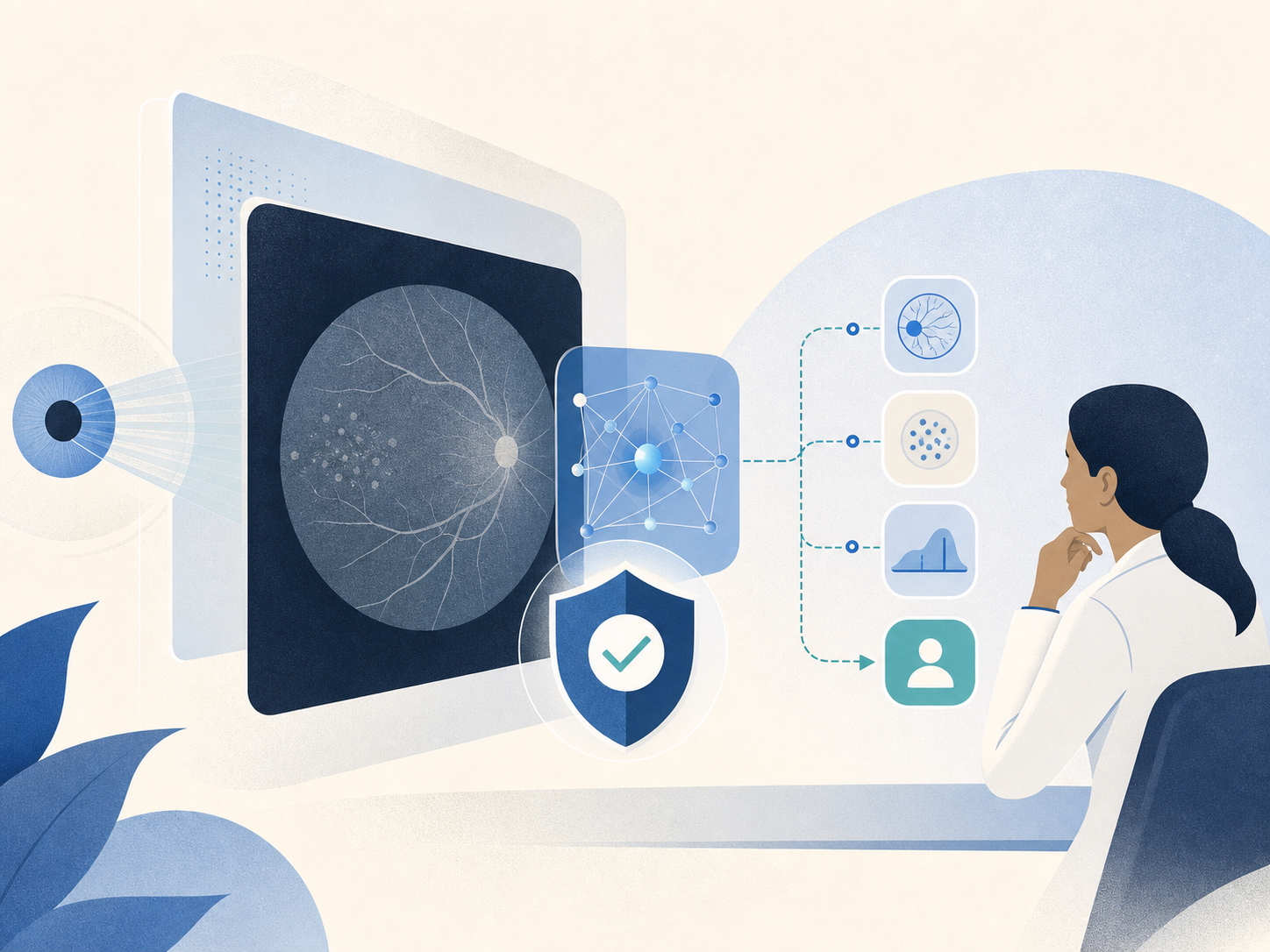
Trustworthy AI is the foundation of clinical translation in PAI Lab. This direction focuses on robust, interpretable, uncertainty-aware and fair models for ophthalmic diagnosis, prognosis, referral and treatment support, with emphasis on external validation and real-world clinical deployment.

RobustnessInterpretabilityFairnessExternal Validation
Trustworthy AI for Precision Ophthalmology
02

Generative AI for Multimodal Eye Health

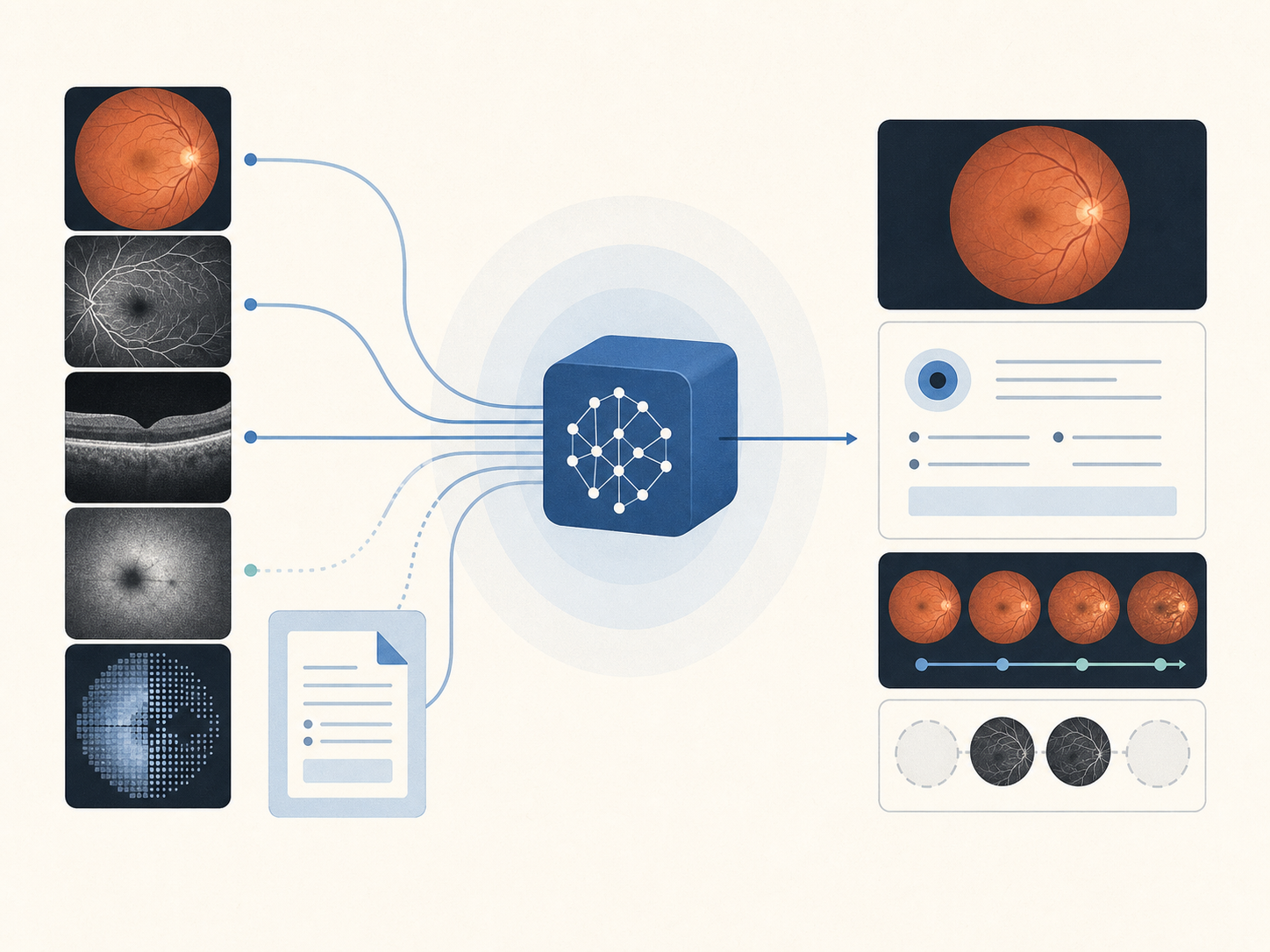
Generative AI for multimodal eye health focuses on models that integrate retinal imaging, OCT, clinical records and text-based information. The work supports image synthesis, report generation, data augmentation, missing-modality completion and clinical reasoning, turning fragmented clinical data into actionable insight.

Multimodal DataImage SynthesisClinical Reasoning
Generative AI for Multimodal Eye Health
03

Multi Agent Systems for Clinical Intelligence

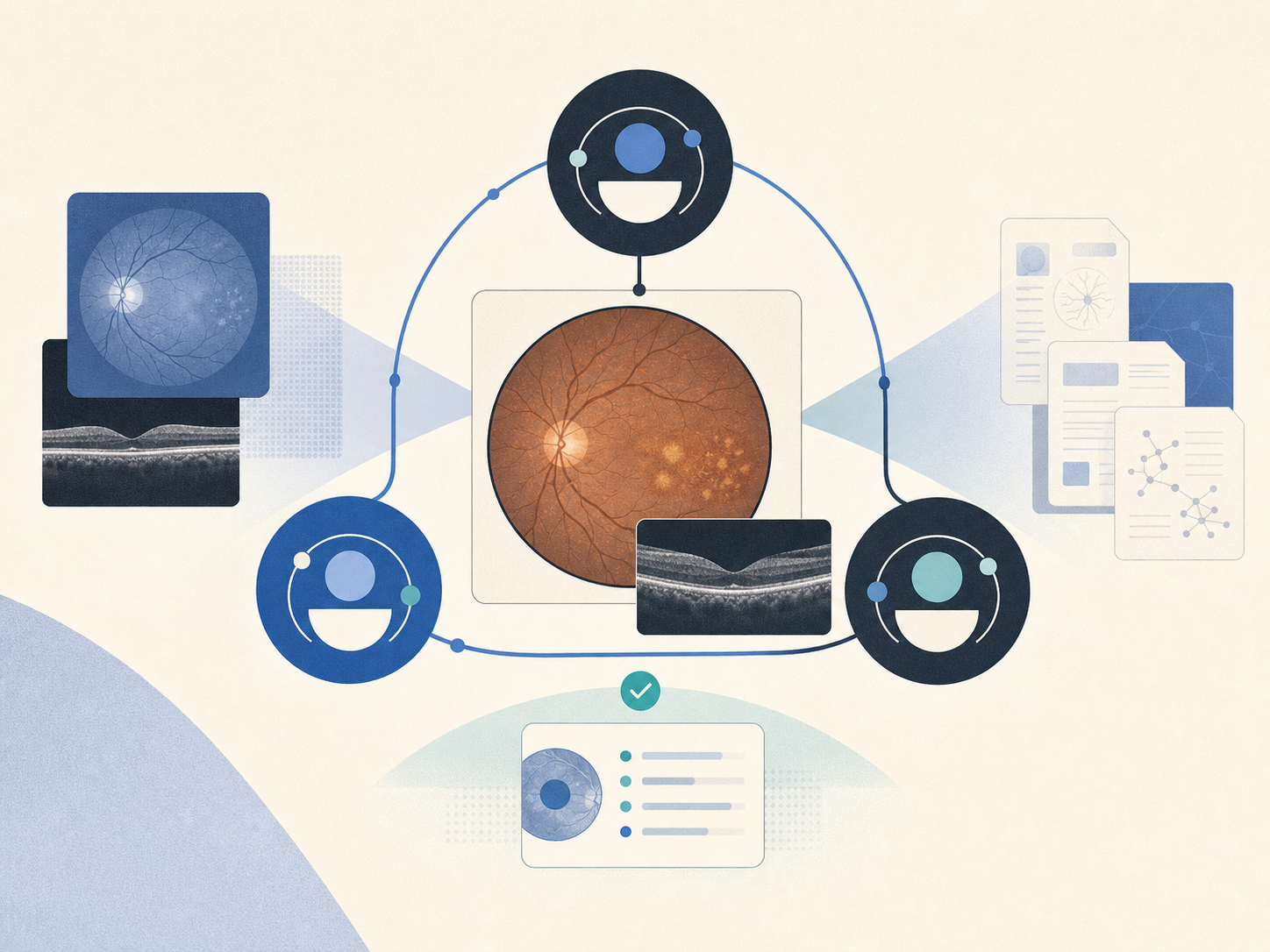
Multi Agent Clinical Intelligence explores systems in which specialised AI agents coordinate imaging models, retrieval tools, clinical knowledge, literature evidence and statistical analysis. This direction aims to support similar-case retrieval, literature mining, diagnostic reasoning and decision support within real clinical workflows.

Similar-Case RetrievalLiterature MiningDecision Support
Multi Agent Systems for Clinical Intelligence
04

AI Scientist for Clinical Information Discovery

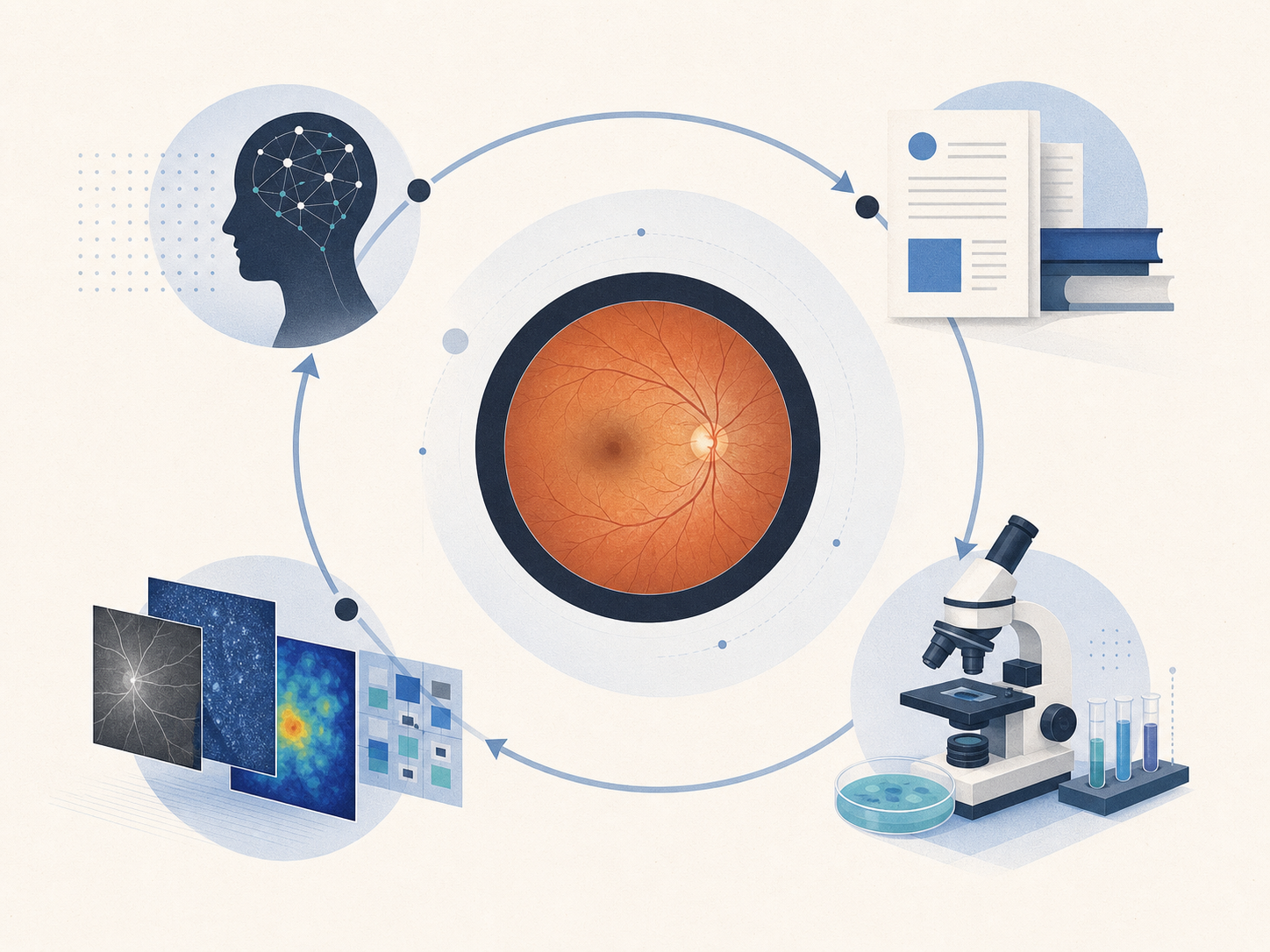
AI Scientist systems are designed to analyse multimodal clinical information, mine biomedical literature, generate hypotheses and assist in experiment design. This direction aims to accelerate reproducible clinical and biomedical discovery by transforming complex imaging, textual and structured data into testable scientific insights.

Literature MiningHypothesis GenerationExperiment Design
AI Scientist for Clinical Information Discovery
05

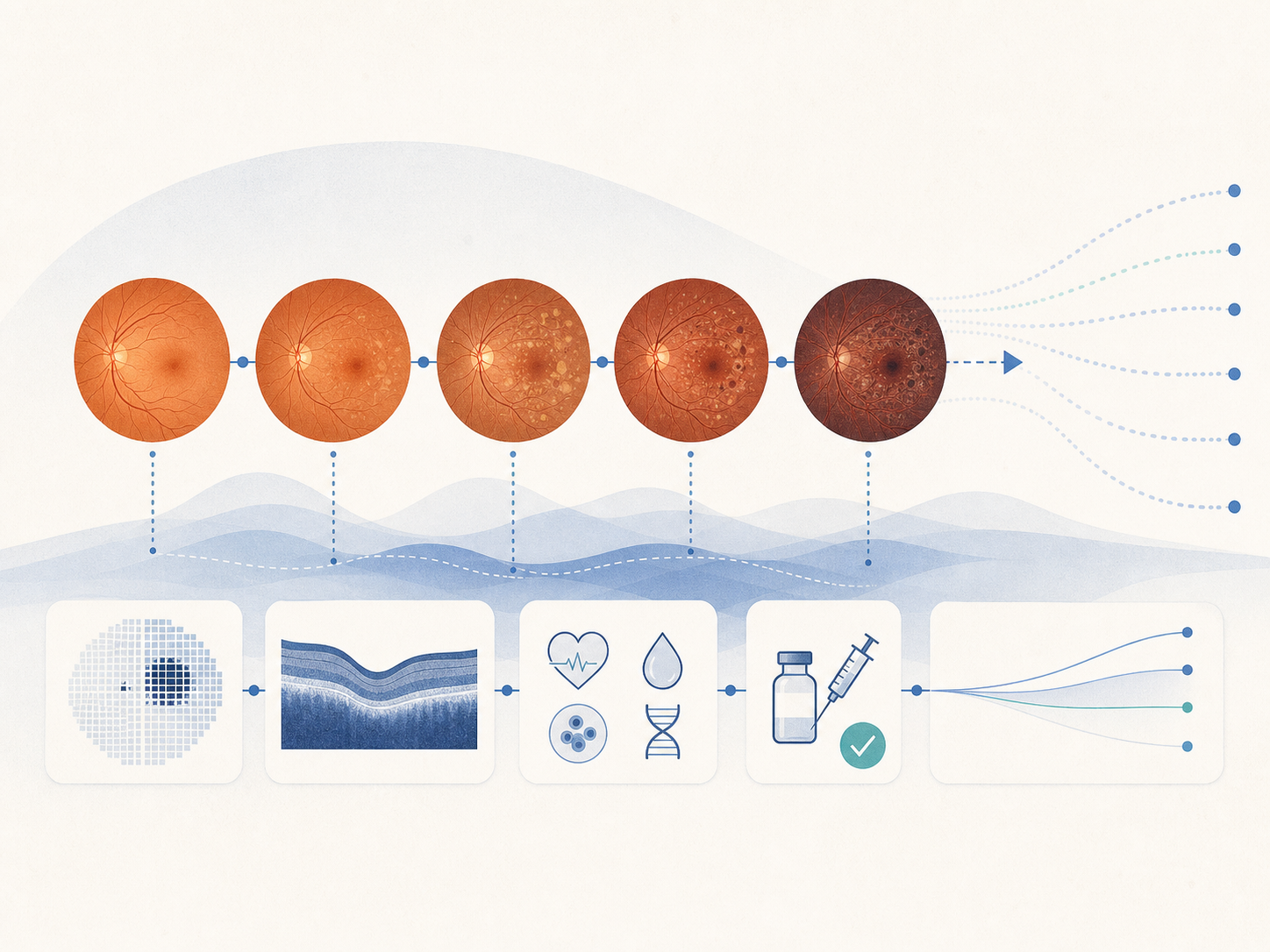
Ophthalmic World Models for Disease Progression and Systemic Health

Ophthalmic world models aim to learn how retinal structure, visual function, systemic health and treatment response evolve over time. This direction supports disease trajectory simulation, future risk prediction and eye-to-systemic health discovery, contributing to both precision ophthalmology and broader healthcare research.

Trajectory SimulationRisk PredictionSystemic Health
Ophthalmic World Models for Disease Progression and Systemic Health
People

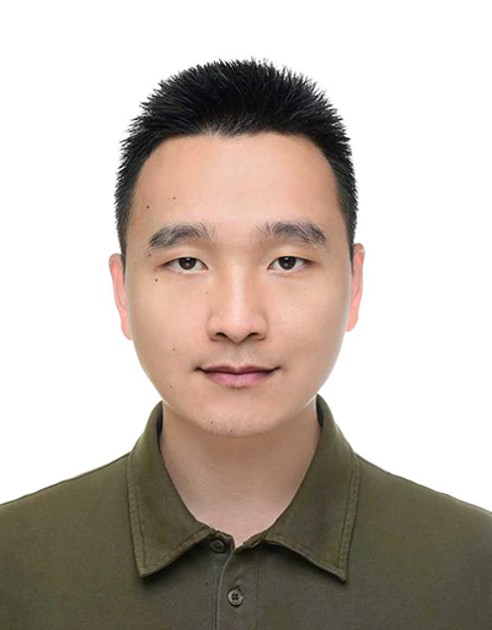
Dr. Meng Wang

Meng Wang is an Assistant Professor at the Centre for Innovation & Precision Eye Health (InVision) and Department of Ophthalmology, Yong Loo Lin School of Medicine, National University of Singapore, working on precision and trustworthy artificial intelligence for healthcare. He received his PhD from Soochow University under the supervision of Prof. Xinjian Chen. He was a Scientist at the Institute of High Performance Computing, Agency for Science, Technology and Research (A*STAR), focusing on federated learning, trustworthy AI, and efficient large-scale models with Prof. Huazhu Fu, and a postdoctoral research fellow at Harvard Medical School, working on cardiac MRI imaging with Prof. Reza Nezafat. Prior to his current position, he was a Research Fellow and Senior Research Fellow at the National University of Singapore under the mentorship of Prof. Ching-Yu Cheng, working on ophthalmic foundation models and multimodal AI.

Meet the team
Meng Wang
Join Us

Join the Team

PAI Lab is recruiting PhD students, research assistants, interns and visiting students for 2027. Applications are now open.

See open positions
Latest

Two papers accepted by MICCAI 2026. Read more →